How to Travel More Without Quitting Your Job (Yet)
Balancing a full-time career with a desire to explore the world is no longer an impossible ambition. With the right systems, priorities, and mindset, we can dramatically increase how often we travel—without sacrificing professional growth or financial stability.
This guide delivers high-impact, practical strategies that transform limited vacation time into frequent, meaningful travel experiences.
Mastering the Art of Strategic Time Off
The foundation of traveling more without quitting a job lies in how we use our available time. Most professionals underutilize their vacation days, often spreading them inefficiently.
We maximize travel opportunities by aligning time off with public holidays and long weekends. A single well-placed vacation day can unlock four to five consecutive days of travel.
By mapping the calendar at the start of the year, we create a structured travel plan that ensures no opportunity is wasted.
We also target shoulder seasons—times when destinations are less crowded but still vibrant. This approach reduces costs while improving the overall experience.
Leveraging Remote Work and Flexible Schedules
Modern work environments increasingly allow for flexibility. Even in traditional roles, small adjustments can unlock significant travel potential.
We negotiate remote work days around travel plans, turning standard weekends into extended getaways. Working from a different city—or even country—allows us to explore without using vacation days.
For hybrid roles, we cluster office days strategically, creating larger blocks of time for travel. This transforms rigid schedules into flexible systems that support exploration.
Turning Weekends into Micro-Adventures
Travel doesn’t require long vacations. We redefine it through micro-adventures—short, high-impact trips.
By choosing destinations within a 2–4 hour radius, we can:
- Leave after work
- Maximize time at the destination
- Return refreshed before the workweek
These trips focus on quality over quantity—cultural immersion, nature escapes, or food experiences.
Committing to just two or three micro-trips per month can dramatically increase annual travel frequency.
Optimizing Travel Costs for Frequent Trips
Sustainable travel depends on financial efficiency.
We:
- Use fare alerts to track flight price drops
- Stay flexible with dates to secure better deals
- Choose boutique stays or short-term rentals
- Leverage loyalty programs for long-term savings
We also prioritize destinations where our currency has stronger purchasing power, increasing value without increasing spending.
Packing Smart for Spontaneous Travel
Efficiency in packing makes frequent travel easier.
We maintain a ready-to-go setup:
- Compact carry-on
- Versatile clothing
- Essential toiletries and documents
This allows for last-minute trips without stress.
A minimalist approach—multi-purpose items and light packing—keeps travel simple and fast.
Building a Travel-Focused Lifestyle
Travel becomes easier when it’s part of your lifestyle, not just an occasional goal.
We:
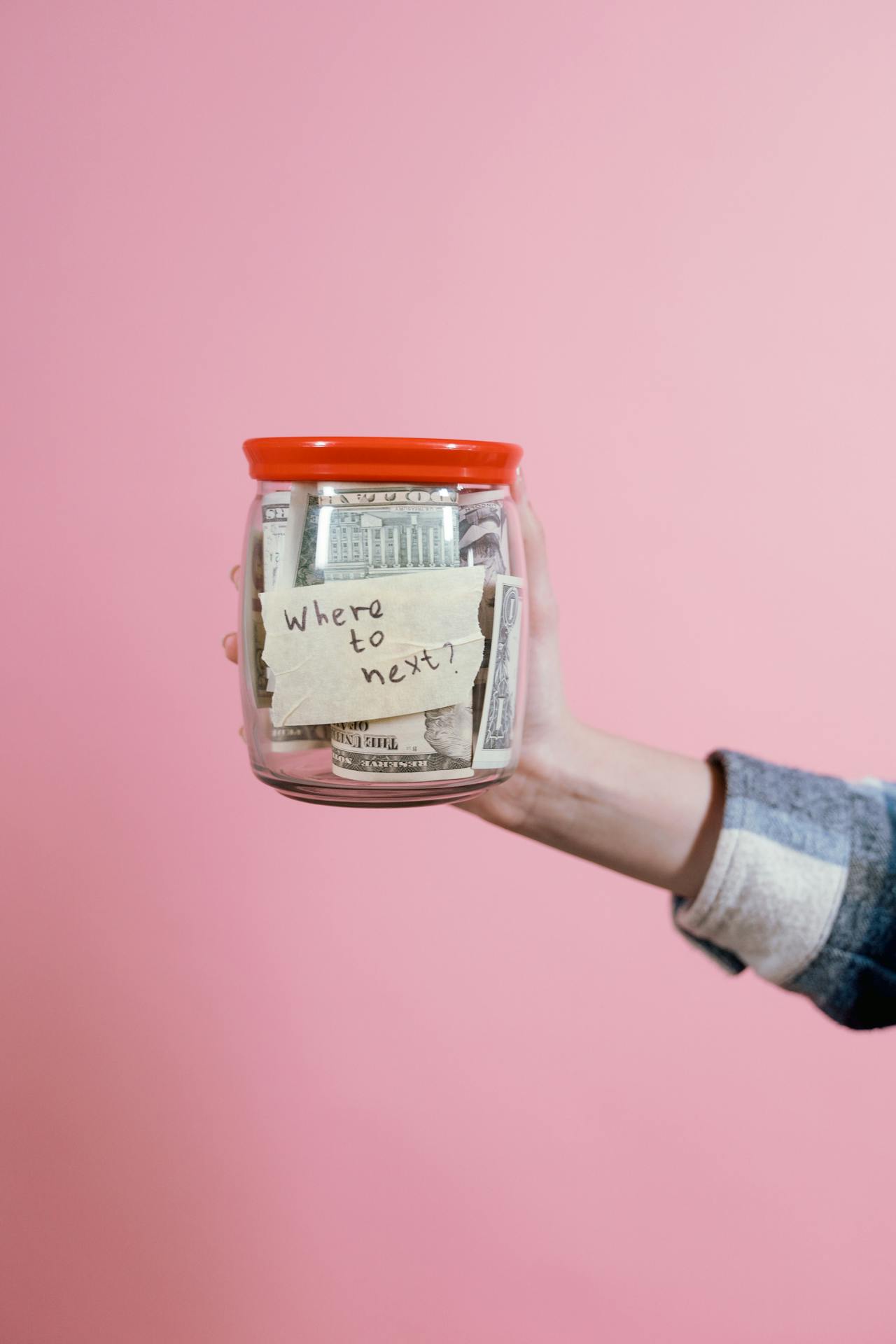
- Set aside a dedicated travel fund (even small amounts)
- Regularly consume travel content for inspiration and planning
- Keep exploration top-of-mind in daily decisions
This mindset transforms travel from a distant dream into a consistent habit.
Maximizing Productivity Before and After Trips
Frequent travel requires discipline.
Before leaving:
- Complete high-priority tasks
- Communicate clearly with colleagues
- Create buffers for your absence
After returning:
- Follow a structured catch-up routine
- Address urgent matters quickly
This ensures travel enhances life without harming career performance.
Choosing High-Impact Destinations
Not all destinations are ideal for short trips.
We prioritize:
- Cities with dense cultural experiences
- Locations with efficient transport
- Natural destinations with immediate access to scenery
This allows us to experience more in less time.
Traveling During Off-Peak Hours
Timing matters.
We choose:
- Early morning or late-night departures
- Overnight flights or trains
This minimizes disruption to work schedules and maximizes usable time at the destination.
Avoiding peak travel hours also reduces stress, delays, and costs.
Using Technology to Streamline Travel Planning
Digital tools simplify everything.
We rely on apps for:
- Flight tracking
- Accommodation booking
- Itinerary management
- Navigation
Automation reduces planning time, allowing trips to be organized in minutes instead of hours.
Creating Meaningful Experiences in Limited Time
Frequent travel isn’t just about quantity—it’s about depth.
We focus on:
- Local cuisine
- Cultural interactions
- Unique, memorable activities
Even short trips can feel rich and fulfilling when designed intentionally.
Maintaining Energy and Well-Being
To travel often, we must travel sustainably.
We:
- Maintain sleep routines
- Stay hydrated
- Avoid overpacked schedules
We also include moments of rest—cafes, walks, or quiet time—to stay energized.
This balance prevents burnout and keeps travel enjoyable.
Conclusion: Redefining Travel Without Leaving Your Career
Traveling more without quitting your job isn’t a compromise—it’s a smarter way to live.
By optimizing time, leveraging flexibility, and planning intentionally, we turn limited opportunities into consistent, enriching experiences.
This approach creates a lifestyle where work and travel coexist—where every trip adds to a larger story of exploration, balance, and fulfillment.
With the right systems in place, you don’t have to wait for “someday.”
You can start traveling more—right now.